


-

Add: HeBei ShengShi HongBang Cellulose Technology CO.,LTD.
-

Email
13180486930@163.com -

CONTACT US
+86 13180486930




Fiberglass for Concrete Mix Enhancing Strength and Durability Concrete is one of the most widely used construction materials in the world, known for its strength and versatility. However, it does have its limitations, such as brittleness, susceptibility to cracking, and overall weight. To tackle these challenges, the incorporation of fiberglass into concrete mixes has emerged as a game-changing solution that boosts performance while maintaining the same traditional characteristics of concrete. What is Fiberglass? Fiberglass, or glass fiber, is a reinforced plastic material composed of fine fibers of glass. It is known for its high strength-to-weight ratio, excellent resistance to corrosion, and impressive insulation properties. When added to concrete mixes, fiberglass can significantly enhance the material's overall performance, making it a popular choice in various construction applications. Benefits of Fiberglass in Concrete Mixes 1. Improved Tensile Strength One of the most significant advantages of incorporating fiberglass into concrete is the enhancement of tensile strength. Traditional concrete tends to be strong in compression but weak in tension, which can lead to cracks and structural failures. By adding fiberglass, the tensile strength increases, making the concrete more resistant to stress and load-bearing requirements. 2. Reduced Shrinkage and Cracking Fiberglass acts as a reinforcement that helps to minimize shrinkage during the curing process. This reduction in shrinkage translates to a decreased risk of cracking, which is often a common issue in standard concrete mixes. By effectively controlling cracking, fiberglass-reinforced concrete extends the lifespan of structures and reduces the need for repairs. 3. Lightweight Composition The lightweight nature of fiberglass compared to traditional reinforcement materials like steel means that concrete mixes can maintain lower overall weight. This can reduce the structural load on foundations while still providing the necessary strength and durability. Such lightweight composition is particularly advantageous in projects where load restrictions are critical. fiberglass for concrete mix 4. Enhanced Durability Fiberglass is naturally resistant to corrosion and chemical attack, which can often plague concrete exposed to harsh environmental conditions. By incorporating fiberglass, the resulting concrete becomes more robust against moisture penetration, temperature fluctuations, and aggressive chemicals, making it ideal for use in areas such as coastal regions, industrial sites, or places with severe weather. 5. Cost-Effectiveness While there may be initial costs associated with adding fiberglass to concrete mixes, the long-term savings are significant. The durability and reduced maintenance associated with fiberglass-reinforced concrete often lead to lower repair and replacement costs over the lifecycle of a structure. Additionally, the efficiency of construction and the potential reduction in material usage can further offset expenses. Applications of Fiberglass-Reinforced Concrete The application of fiberglass in concrete mixes spans across various sectors including residential, commercial, and industrial construction. From precast concrete products to architectural elements, such as facades and sculptures, fiberglass enhances the performance and aesthetic appeal of concrete structures. One notable application is in the construction of pavements and flooring systems. The addition of fiberglass not only improves the structural integrity but also provides slip resistance, ensuring safety in both industrial and commercial environments. Moreover, the use of fiberglass in thin overlays and shotcrete processes shows significant promise, allowing for quick application with high durability. Conclusion In conclusion, the integration of fiberglass into concrete mixes presents a wealth of benefits that significantly enhance the material's performance. Improved tensile strength, reduced shrinkage, enhanced durability, and lightweight composition make fiberglass-reinforced concrete an excellent choice for modern construction projects. As the construction industry continues to evolve, adopting innovative materials like fiberglass will be crucial in meeting the demands for stronger, more resilient, and cost-effective building solutions. By embracing these advancements, engineers and architects can create structures that not only stand the test of time but also contribute to more sustainable development practices.
- 40000tons

Production
- 20+years

Experience
- 5000+㎡

Acreage

-
Hydroxypropyl Methylcellulose E5, often referred to as HPMC E5, stands as a critical component in the formulation of various products found across an array of industries. With its multifaceted applications, from pharmaceuticals to food solutions, understanding this compound through the lenses of experience, expertise, authoritativeness, and trustworthiness reveals its pivotal role in product efficacy and safety. In the pharmaceutical sector, Hydroxypropyl Methylcellulose E5 serves as an indispensable excipient. Leveraging years of professional experience, pharmaceutical formulators often choose HPMC E5 for its remarkable role as a film former in controlled drug release. The uniform coating it provides is invaluable, ensuring precise delivery of active ingredients. Drawing upon extensive research and experimentation, its effectiveness is further underscored by its compatibility with a range of pharmaceutical compounds, enhancing the stability and bioavailability of medications. From a professional standpoint, the expertise accumulated over decades has solidified HPMC E5's reputation in the production landscape. Used in the cosmetic industry, it functions efficiently as a thickening agent and emulsifier. Its application in personal care products, such as shampoos and lotions, can be attributed to its non-ionic nature, which is gentle on the skin and suitable for sensitive skin types. Renowned cosmetic chemists vouch for its reliability, attesting to its consistency in performance even under diverse environmental conditions. Hydroxypropyl Methylcellulose E5's authority extends beyond pharmaceutical and cosmetic uses to impact the food industry as well. Utilized as a food additive, HPMC E5 acts as a texturizer and stabilizer. It meets stringent food safety standards set by authoritative global entities such as the FDA and European Food Safety Authority (EFSA). This compliance underscores its trustworthiness and assures consumers of its safe consumption. Food scientists have documented its effectiveness in creating low-fat foods, where it enhances mouthfeel and texture, offering a healthier yet indulgent experience. hydroxypropyl methylcellulose e5 Trust in HPMC E5 also emanates from its ecological credentials. As sustainability becomes a central concern, manufacturers increasingly rely on this cellulose-derived compound due to its biodegradable nature. Industrial experts highlight its role in reducing reliance on synthetic polymers without compromising on quality. Development teams across the globe acknowledge its contribution to achieving sustainability goals, reinforcing the trust businesses place in HPMC E5 as they pivot towards greener practices. In practical application, the versatility of Hydroxypropyl Methylcellulose E5 is unrivaled . Its role as a hydraulic fluid component in construction materials such as cement and plaster showcases its adaptability and the breadth of its application range. Building professionals recognize the improved workability and water retention properties HPMC E5 provides, leading to higher quality and more durable construction solutions. In summary, whether evaluated through hands-on user experience or the professional expertise of industry veterans, Hydroxypropyl Methylcellulose E5 emerges as an authoritative and trustworthy ingredient across industries. Its consistent performance, backed by rigorous scientific validation and regulatory compliance, assures companies and consumers alike of its integral role in product development and application. As industries continue to evolve, HPMC E5 remains a cornerstone of innovative and sustainable solutions.
-
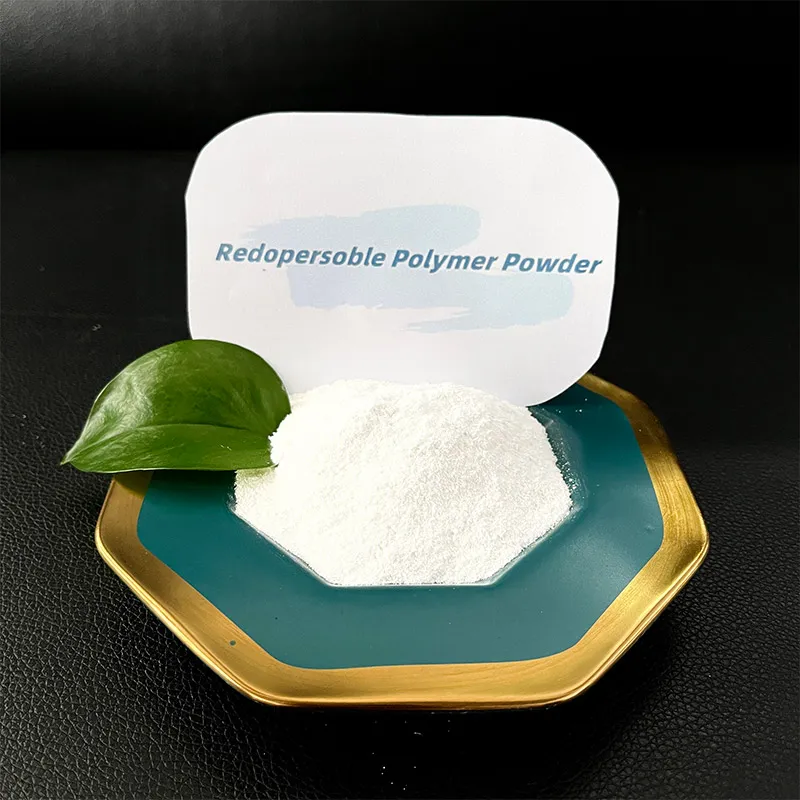
Hydroxypropyl methylcellulose (HPMC) is widely recognized as a versatile compound that finds its application across various industries. Preparing HPMC solutions is paramount for ensuring its effective performance, whether in pharmaceuticals, food processing, or construction. This article sheds light on the expertise required, authoritative guidelines, and trustworthy methodologies associated with HPMC solution preparation. Experience in HPMC solution preparation reveals that the process is both an art and a science, demanding precision and knowledge. Users often face challenges such as insolubility, clumping, or achieving the desired viscosity. These challenges can be mitigated by following specific preparation steps . Here, I will share a streamlined process derived from years of hands-on experience 1. Selection of Grade The choice of HPMC grade significantly influences the end properties of the solution. Different grades offer varying viscosities and gel temperatures, making it crucial to consult technical specification sheets provided by manufacturers to select the right grade for your application needs. 2. Water Quality The quality of solvent, usually water, plays a critical role. Using deionized or distilled water enhances solubility and prevents any potential reactions from contaminants. Experience confirms that temperature-controlled environments boost the solubility rate and uniformity of HPMC throughout the solution. 3. Dispersion Technique Accurate dispersion ensures the complete hydration of HPMC without forming clumps. Begin by sprinkling HPMC slowly into the solvent while stirring continuously. An authoritative tip involves using mechanical stirrers to maintain a consistent dispersal, achieving a lump-free solution efficiently. 4. Temperature Control The temperature of the solvent should be monitored closely. HPMC tends to dissolve better in cold water. By initially employing cold water to disperse the HPMC and later heating it up if the application demands a higher temperature, one can secure optimal results. hpmc solution preparation 5. Hydration Time Time is a crucial factor in preparing an HPMC solution. Allow the solution to hydrate fully, which might take several hours depending on the grade and environmental conditions. Patience is key as incomplete hydration could result in suboptimal solution properties. 6. pH Adjustment For applications requiring specific pH levels, adjust the pH of the solution after full hydration. Different grades of HPMC might react differently to pH adjustments, so it's advisable to conduct small-scale tests before full-scale operations. From a professional standpoint, the expertise of troubleshooting common issues cannot be overstated. In some cases, adding a non-ionic surfactant can assist in reducing surface tension and improving solubility. Furthermore, employing an industrial homogenizer can yield a finer, more consistent HPMC solution in high-demand applications. To establish authority in the preparation of HPMC solutions, it’s paramount to adhere to standardized practices as endorsed by industry leaders. Following guidelines from entities like the United States Pharmacopeia (USP) can ensure compliance and efficacy in pharmaceutical applications. Maintaining a record of every batch's preparation details ensures traceability and identifies areas for future optimization. Trustworthiness is built through consistency and transparency. Regularly testing and documenting the rheological properties of prepared solutions guarantees batch-to-batch uniformity. For enhanced credibility, consider third-party verification from accredited laboratories to validate the effectiveness and safety of the final solution. In conclusion, HPMC solution preparation demands a blend of practical experience, specialized knowledge, and adherence to authoritative protocols. By following these best practices, one can ensure the creation of high-quality HPMC solutions suitable for a variety of applications, ultimately fostering trust and reliability in the end product.
advantages
-

200000 Viscosities
Excellent product
We can produce pure products up to 200,000 viscosities
-

40000 tons
High yield
We don’t stop production all year round, and the annual output can reach 40,000 tons
-

24 hours
Quality service
We provide 24-hours online reception service, welcome to consult at any time
———— Inquiry Form
Schedule A services

-
 hpmc_e15
Oct . 25, 2025
Hydroxypropyl methylcellulose, popularly branded as HPMC Methocel, is an indispensable additive in v -
 hibla_pp
Oct . 25, 2025
Retained eye comfort is often a top priority for individuals dealing with dry eyes. Among the myriad -
 hydroxypropyl_starch_food
Oct . 25, 2025
The HPMC K100M viscosity grade is revolutionizing the landscape of the pharmaceutical and constructi


